- Tel: +8613911709825 /
- Email: ry@rays-casting.com /


-
Business PhilosophyCustomer Focus Customer Trust
-
ValuesResponsibility enterprise quality sustainability
-
Quality philosophyCraftsmanship creates excellent quality and defines the future


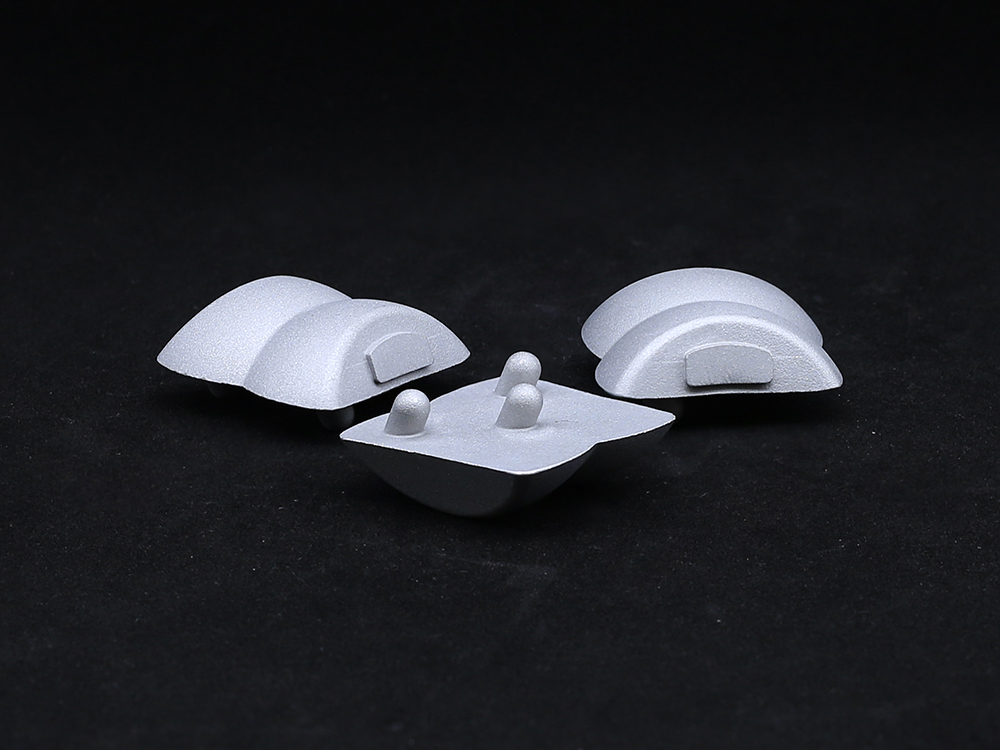
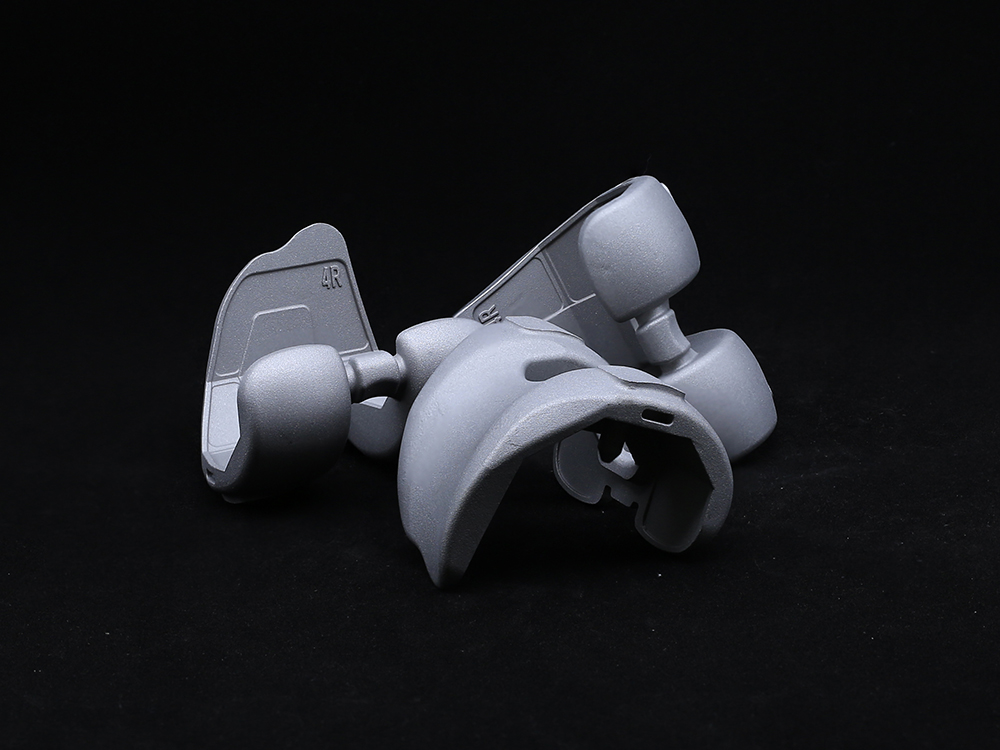
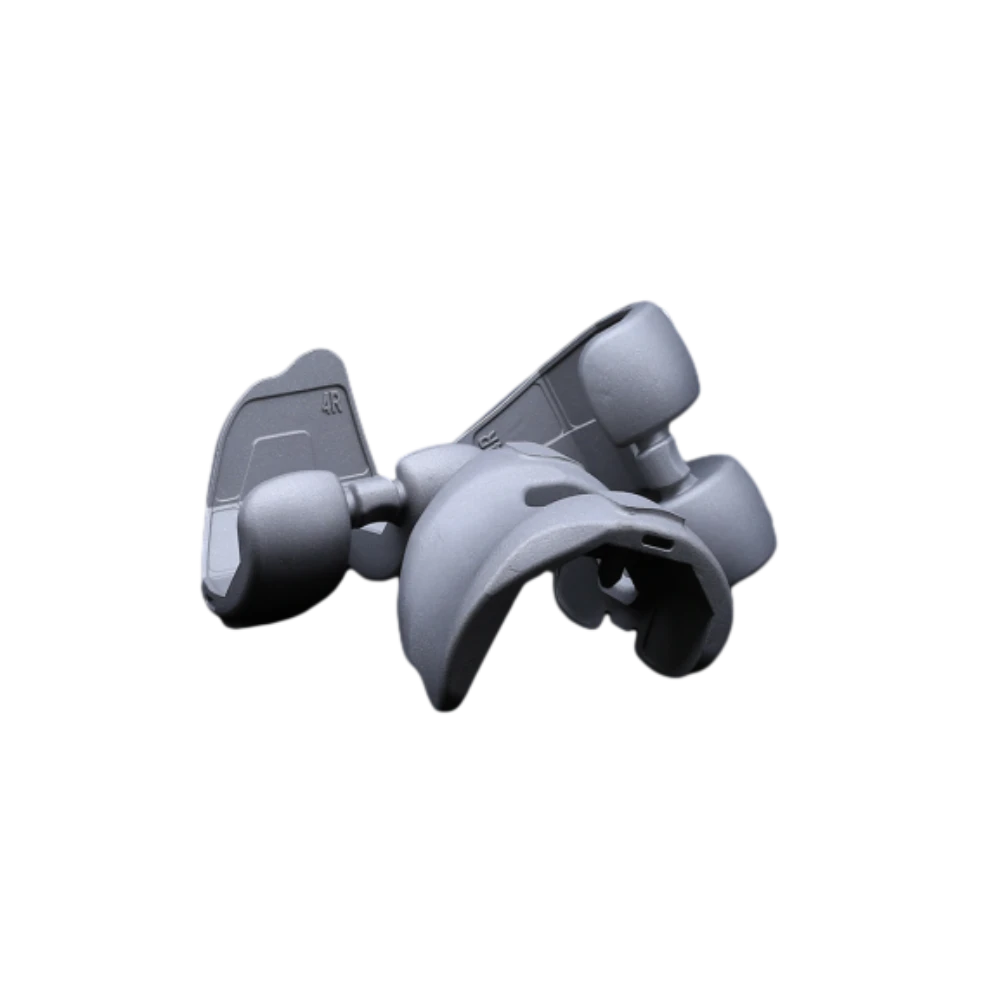
leg feels like it's coming out of socket
The ankle is one of the most complex and hardworking joints in the human body. When we walk, run, or jump, this joint takes on immense responsibility. In anatomical terms, the ankle joint type is traditionally classified as a hinge joint, allowing movement in one primary plane—dorsiflexion (lifting the foot) and plantarflexion (pointing the toes). However, this is a simplified view. While it acts largely like a hinge, the structure and function of the ankle are far more nuanced. The true ankle joint type comprises the tibia, fibula, and talus bones. These three form the talocrural joint, which provides up-and-down motion. Surrounding and supporting this motion are ligaments, tendons, cartilage, and fluid-filled membranes. Because of its complexity and constant use, the ankle joint is vulnerable to injury, arthritis, and wear. Understanding its type, structure, and motion is key to both diagnosing ankle problems and designing advanced orthopedic solutions such as braces or surgical implants. What Makes the Ankle a Synovial Joint and Why It Matters To fully grasp the nature of the ankle, we must first recognize it as an ankle synovial joint . A synovial joint is defined by the presence of a synovial cavity filled with lubricating fluid, surrounded by a joint capsule and lined with cartilage that reduces friction. This structure allows for smooth, controlled motion and makes the ankle both mobile and weight-bearing. As an ankle synovial joint , the talocrural region functions with a precise balance of flexibility and stability. The synovial fluid enables smooth articulation between bones, while ligaments such as the deltoid and lateral ligament complexes provide support. This synovial structure is critical in preventing inflammation, reducing impact stress, and protecting the cartilage that lines the joint surfaces. When problems arise in the synovial function—such as in cases of synovitis, osteoarthritis, or ligament damage—mobility is significantly reduced and pain increases. That’s why treatments often aim at restoring synovial balance, whether through physical therapy, injections, or in some cases, surgical replacement of the joint. The Confusion Around Ball and Socket Ankle: Setting the Record Straight Many people wonder whether the ankle is a ball and socket ankle joint like the shoulder or hip. The short answer is no—the ankle is not a traditional ball and socket ankle . The confusion arises because of the range of motion and the complex, multidirectional function of the joint, especially when considering the subtalar and midfoot joints, which support movements such as inversion, eversion, and rotation. The true ball and socket ankle configuration is not found in the main talocrural joint. Instead, some of the supporting structures and joints, like the talocalcaneonavicular joint, share characteristics of a ball-and-socket movement pattern. This allows the foot to adjust to various terrains and angles, giving us the agility and balance we often take for granted. From a surgical perspective, the concept of ball and socket ankle is sometimes explored in prosthetic joint design, especially in complex reconstruction cases. Advanced ankle prostheses may incorporate multidirectional mobility patterns to better mimic natural foot movement, borrowing from the biomechanical inspiration of ball-and-socket joints. Is There Such a Thing as a Ball and Socket Ankle Joint? Exploring Anatomical Exceptions While the standard ankle does not classify as a ball and socket ankle joint , certain anatomical anomalies or congenital conditions may present with joint morphology resembling this type. However, in classical human anatomy, the ankle remains categorized as a hinge-type ankle synovial joint , not a ball and socket ankle joint like the hip. That said, the human foot contains several smaller joints that collectively allow for compound movement. For instance, the subtalar joint (beneath the talocrural joint) contributes to foot inversion and eversion, effectively enhancing the multidirectional range of the ankle complex. These supporting joints give the ankle a functionality that often mimics some characteristics of a ball and socket ankle joint , especially when viewed during dynamic motion such as pivoting or walking on uneven ground. In orthopedic biomechanics, the term ball and socket ankle joint is occasionally used in advanced implant designs that aim to increase rotational freedom for patients undergoing total ankle replacement. These prosthetics can improve flexibility for certain patient groups, particularly those with severe degenerative joint disease or multiple failed ankle surgeries. The Future of Ankle Treatment: Designing Around Function, Not Just Structure Whether we’re discussing the ankle joint type , the role of the ankle synovial joint , or the evolving interpretation of a ball and socket ankle joint , one thing is clear: the future of ankle care lies in functional design. Medical professionals, prosthetic engineers, and physical therapists are beginning to focus less on traditional labels and more on how the joint actually behaves in motion. This holistic approach is driving the next generation of treatment, from intelligent ankle braces that adjust support based on gait to surgical implants that replicate multidirectional movement more naturally. Understanding that the ankle behaves in more complex ways than just a hinge joint allows for more innovative therapies, especially for athletes, elderly patients, or individuals recovering from trauma. As research continues to explore ways to replicate the true biomechanics of the foot and ankle, the idea of a ball and socket ankle may become more relevant—not in textbook anatomy, but in the design of high-performance orthopedic solutions. By honoring both structure and function, we ensure patients receive care that restores not only motion but also confidence and independence. Ball and socket ankle FAQs What is the true ankle joint type? The ankle is classified as a hinge joint, a type of ankle joint type that allows up-and-down movement (dorsiflexion and plantarflexion). However, due to the interaction of other joints in the foot, it also supports some side-to-side and rotational motion, making it more functionally complex than a simple hinge. What defines the ankle synovial joint? An ankle synovial joint is characterized by a joint capsule filled with synovial fluid, which reduces friction between bones and promotes smooth movement. The talocrural joint, formed by the tibia, fibula, and talus, is the primary synovial joint in the ankle. Is the ankle a ball and socket ankle joint? No, the ankle is not anatomically a ball and socket ankle joint . That term refers to joints like the shoulder or hip. However, the ankle complex includes multiple joints that allow for multidirectional movement, leading to some confusion around its classification. Why do people refer to the ball and socket ankle in medicine? In medical contexts, ball and socket ankle may refer to prosthetic designs that incorporate multi-axis movement similar to ball-and-socket joints. These are used in ankle replacement surgeries where standard hinge designs may not provide enough range of motion for the patient. Can ankle joint types vary between individuals? While the ankle joint type is consistent across humans as a hinge joint, individual differences in bone shape, ligament elasticity, or injury history can affect its function. Some people may naturally have more flexible or stable ankles, but the joint's anatomical classification remains the same.
-
9FIELD EXPERIENCE
-
10 +TECHNICAL TALENTS
-
-
-
100 %CUSTOMER SATISFACTION
-
100 +SATISFIED CUSTOMER
-
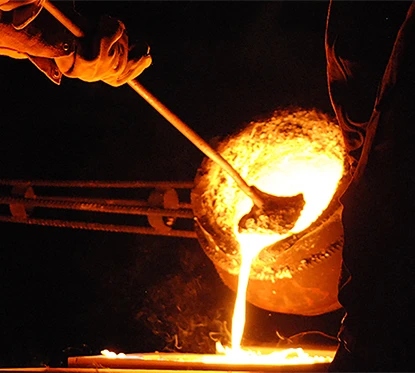
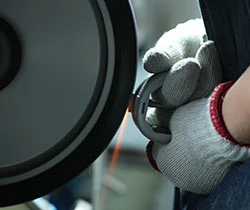
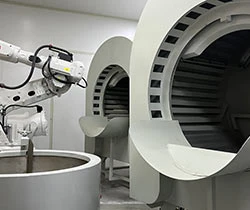
01Advanced Production Technology and EquipmentUse high-performance casting equipment and furnaces, such as vacuum induction melting, investment casting and other technologies, to ensure melting precision and casting quality.
-
02Professional Technical Support ServicesWith a professional technical team and complete technical support services, we can provide customers with satisfactory products and customized processing services.
-
03Strict Production Management NormsEstablish a sound quality management system, formulate perfect production operation procedures, implement strict production process control and product quality inspection, in order to achieve the goal of high-quality casting.
Quick Response And Adequate Technical Support
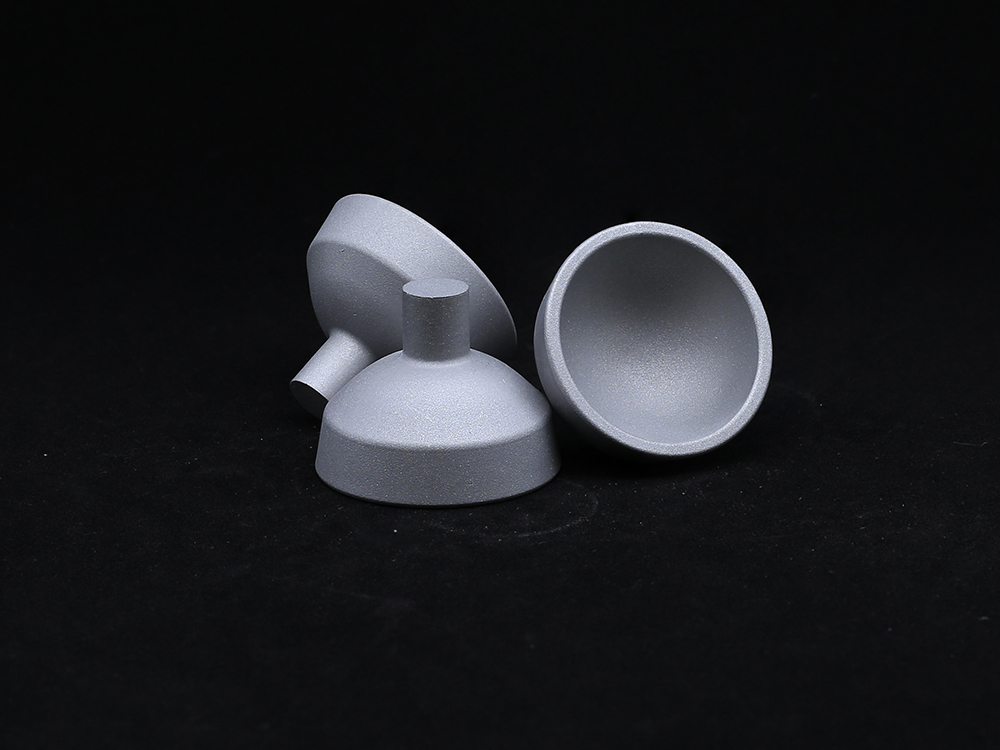
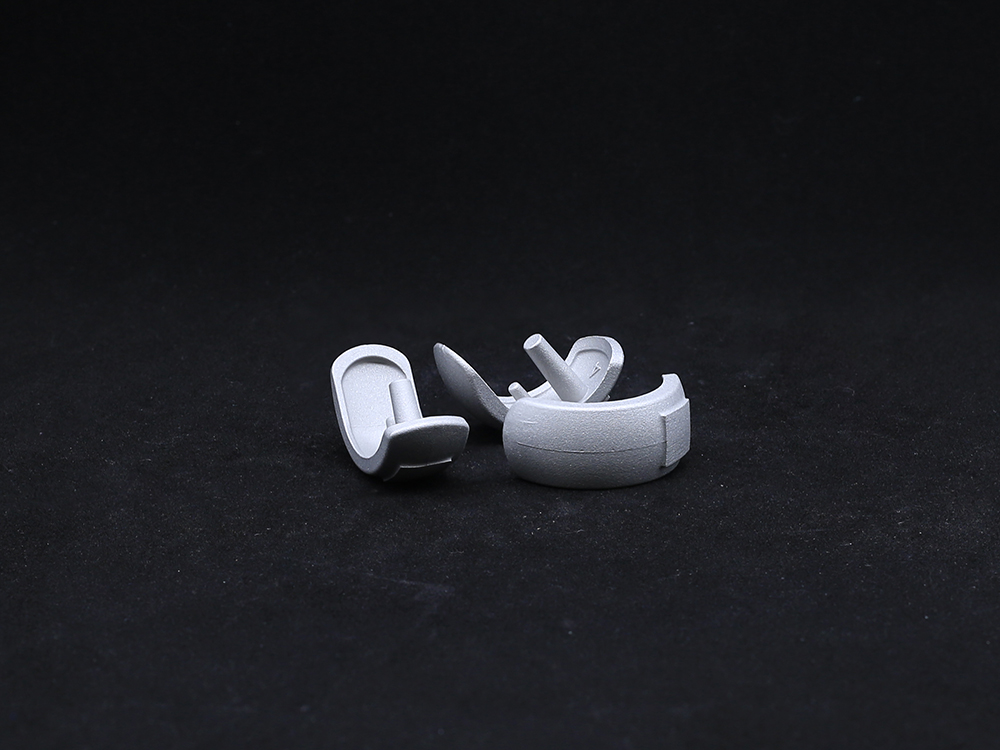
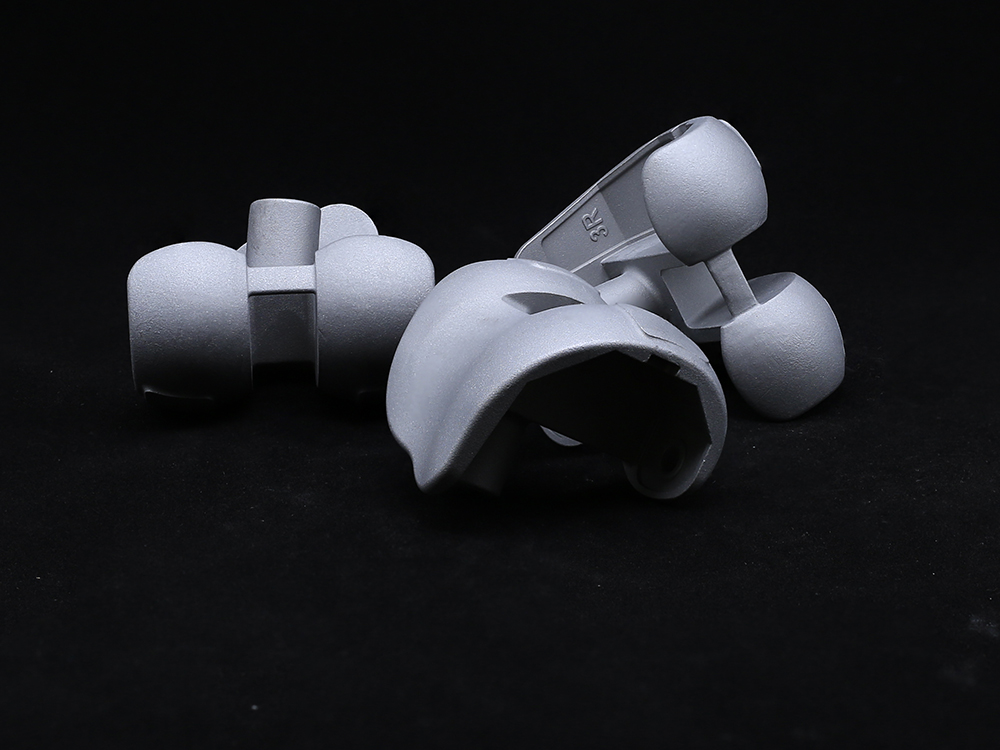
Visit Hebei Ruiyi Yuan Tong Technology Co., Ltd. — a professional manufacturer specializing in high-quality joint replacement components including femoral condyles, acetabular cups, tibial plates, and more.

china
Türkiye
India
Russia
Germany
USA
Switzerland
Argentina
NEWS
-
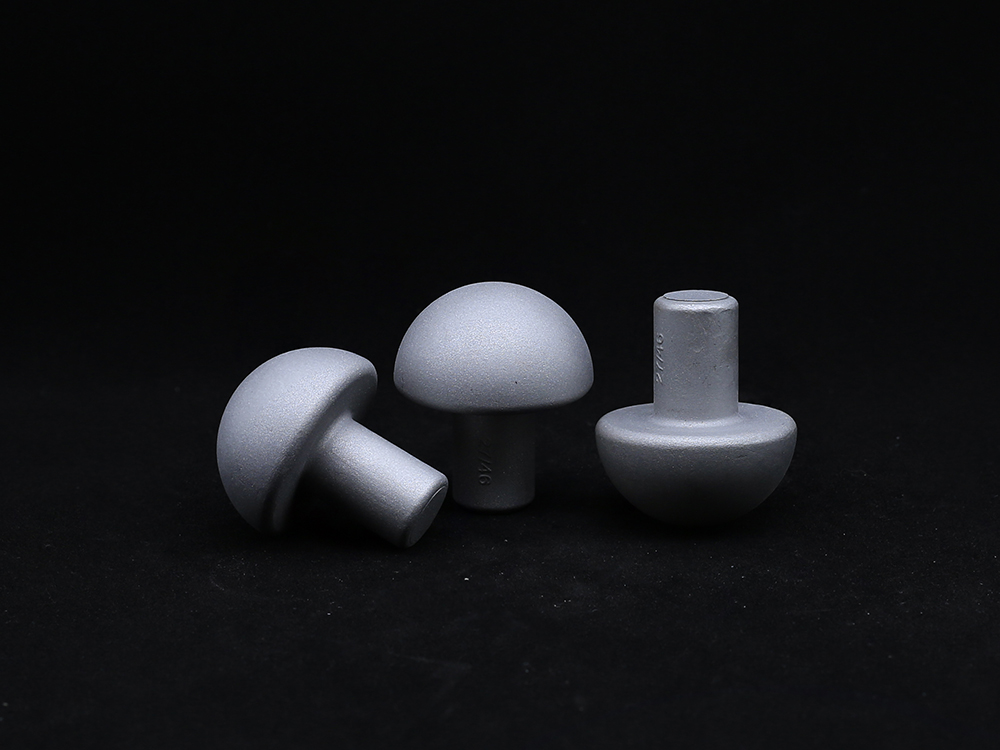
2026-04-05 00:572026-04-05 00:57Talus-Cobalt-Chromium-Molybdenum Alloy Ankle Joint Blank_Biocompatibility Mechanical StrengthArtificial joints have revolutionized modern medicine, offering patients a renewed quality of life t>
-
2026-04-05 00:162026-04-05 00:16Femoral Condyle_ Anatomy, Injuries, & Advanced TreatmentPrecision Engineering: Understanding the Industrial Femoral Condyle In high-performance industrial a>

-
2026-04-05 00:022026-04-05 00:02Acetabular Cup - Hebei RuiYiYuanTong Technology Co., Ltd. _ Biocompatible, Durable Hip ImplantProduct Description The Acetabular Cup is a groundbreaking artificial joint blank designed to addres>
Get a Custom Solution!
Contact Us To Provide You With More Professional Services


